
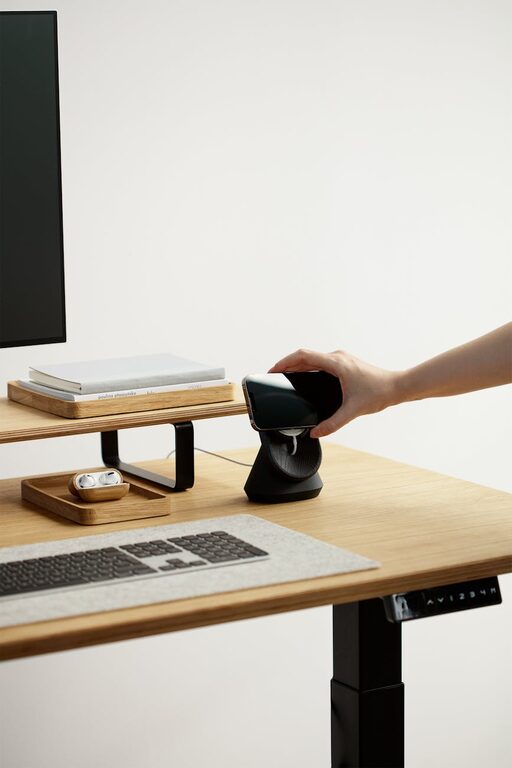
Creating a cozy and inviting home workspace is more important than ever. Whether you work remotely full-time or occasionally need a quiet spot for tasks, having a dedicated space that feels comfortable can boost your focus and productivity. In this post, we’ll explore practical tips to help you design a workspace that feels both welcoming and efficient.
Why a Cozy Workspace Matters
Your environment plays a big role in how you feel and perform throughout the day. An inviting workspace can reduce stress, spark creativity, and make working from home more enjoyable. When your workspace is pleasant, you’re more likely to stick to your schedule and meet your goals.
Choosing the Right Location
Find a Quiet Corner
Start by selecting a spot in your home that’s relatively quiet and free from frequent distractions. This could be a spare room, a nook in the living room, or a section of your bedroom.
Consider Natural Light
Natural light improves mood and energy. Place your desk near a window if possible. If daylight isn’t an option, invest in good-quality lighting that mimics natural light to avoid eye strain.
Comfortable and Supportive Furniture
Invest in an Ergonomic Chair
A comfortable, adjustable chair supports your posture and prevents back pain. Look for chairs with good lumbar support and height adjustability.
Choose a Functional Desk
Your desk should fit your work tools and allow comfortable arm positioning. If space is limited, consider compact or foldable desks that maximize usability without crowding your room.
Personalize Your Workspace
Add Cozy Textiles
Incorporate soft textures like a plush rug, a knitted throw blanket, or a cushion for your chair. These small touches make the space feel warm and inviting.
Display Inspiring Items
Surround yourself with objects that motivate you—photos, artwork, plants, or inspirational quotes. Just be mindful not to overcrowd your workspace to maintain focus.
Organize for Efficiency
Use Storage Solutions
Keep clutter to a minimum by using shelves, drawer organizers, or storage bins. Label containers for easy access and tidiness.
Keep Essential Supplies Handy
Store pens, notebooks, chargers, and other essentials within arm’s reach. This prevents disruption to your workflow when you need something quickly.
Improve Air Quality and Add Greenery
Ventilate Your Workspace
Good air circulation reduces fatigue and improves concentration. Open windows when possible or use a fan or air purifier.
Incorporate Plants
Plants not only purify the air but also create a calming atmosphere. Choose low-maintenance options like succulents or snake plants if you’re new to indoor gardening.
Lighting Tips
Layer Your Lighting
Combine ambient lighting with task lights. Use a desk lamp for focused work and overhead lighting for general brightness.
Avoid Glare on Screens
Position your monitor to reduce glare from windows or lights. Adjust curtains or blinds as needed to control sunlight.
Set Boundaries and Routine
Define Work Hours
Create a consistent schedule to separate work time from home time. This helps maintain balance and prevents burnout.
Establish Physical Boundaries
If possible, reserve your workspace solely for work. Avoid using the area for leisure to mentally support productivity.
Final Thoughts
Designing a cozy and inviting home workspace doesn’t have to be complicated or costly. With attention to comfort, organization, and personal touches, you can create a space that supports your work and wellbeing. Start with small changes and adjust your setup over time until it feels just right for you.
Your home workspace should inspire you to do your best work while feeling like a pleasant place to spend your day. With these tips in mind, you’re well on your way to creating your ideal environment. Happy decorating!
—
Thank you for reading! Feel free to share your favorite workspace tips or photos in the comments below.