
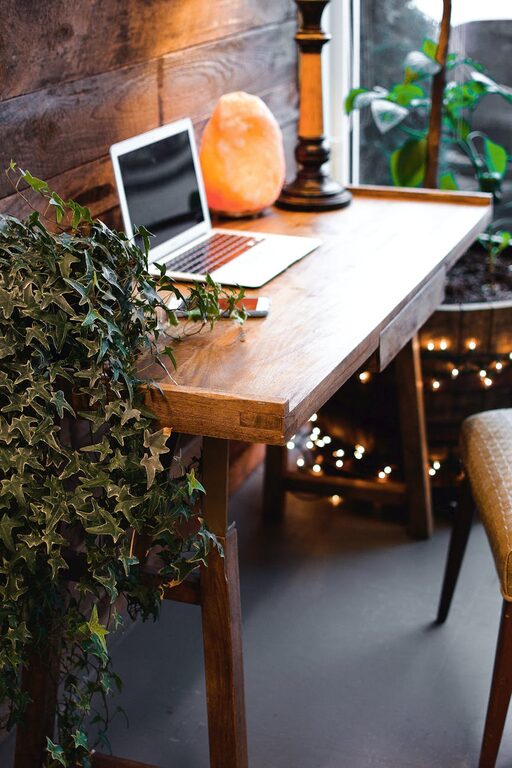
Creating a home workspace that feels cozy and inviting can make a big difference in your productivity and overall well-being. Whether you work remotely, study, or just need a dedicated spot to focus on projects, a thoughtfully designed area helps cultivate a positive mindset and focus. In this post, we’ll explore practical tips to design a comfortable, functional workspace that you’ll enjoy spending time in every day.
Why a Cozy Workspace Matters
Many of us spend a significant portion of our day working on tasks that require focus and creativity. A workspace that feels welcoming can reduce stress and increase motivation. When your environment is comfortable, organized, and visually pleasing, it encourages you to settle in and be productive.
1. Choose the Right Location
Selecting the ideal spot in your home is the first step to building a cozy workspace:
– Natural Light: Aim for a space near a window where you can enjoy natural sunlight. Natural light helps reduce eye strain and boosts mood.
– Quiet Area: Pick a low-traffic, quiet spot to minimize distractions.
– Space for Essentials: Make sure there’s enough room to fit your desk, chair, and storage without feeling cramped.
2. Invest in Comfortable Furniture
Comfort is key when spending hours at your desk. Consider these furniture tips:
– Ergonomic Chair: Choose a chair that supports your posture with adjustable height and lumbar support.
– Appropriate Desk Height: Your desk should allow your arms to rest comfortably at a 90-degree angle while typing.
– Multi-Functional Pieces: If space is limited, think about foldable or compact furniture that can adapt to your needs.
3. Personalize Your Space
Adding personal touches can make your workspace feel more inviting:
– Decorate with Plants: Low-maintenance indoor plants add life and fresh air to any room.
– Display Inspiring Items: Photos, artwork, or motivational quotes create a positive atmosphere.
– Use Soft Textiles: Incorporate cushions, rugs, or throws to add warmth and texture.
4. Optimize Lighting
Good lighting helps reduce eye fatigue and keeps you energized:
– Layered Lighting: Combine overhead lights with task lighting like a desk lamp.
– Adjustable Brightness: Choose lamps with dimmer switches or adjustable brightness.
– Warm Light Bulbs: Use warm-toned bulbs to create a cozy ambiance, especially in the evening.
5. Keep It Organized
A clutter-free desk promotes focus and efficiency:
– Use Storage Solutions: Baskets, shelves, and drawer organizers keep supplies tidy.
– Limit Desk Items: Only keep essentials on your main workspace to avoid distractions.
– Digital Organization: Manage your files and emails regularly to reduce digital clutter.
6. Choose Soothing Colors
Colors impact mood and concentration. Opt for soft, calming tones:
– Neutral Shades: Whites, beiges, and grays create a clean, peaceful backdrop.
– Accent Colors: Add pops of color with accessories or artwork to inspire creativity.
– Avoid Overstimulation: Avoid overly bright or neon colors that can be distracting.
7. Include Elements That Promote Focus
Small additions can help you maintain concentration and reduce fatigue:
– Noise Control: Use noise-canceling headphones or white noise machines if needed.
– Aromatherapy: Pleasant but subtle scents like lavender or eucalyptus can promote calm and alertness.
– Break Area: If possible, create a small space nearby for short breaks to refresh your mind.
8. Maintain Flexibility
Your workspace needs may evolve over time. Designing it with flexibility allows easy adjustments:
– Modular Furniture: Pieces that can be moved or rearranged help adapt to new tasks.
– Cable Management: Organize cables to keep your desk neat and reduce hazards.
– Technology Setup: Use wireless devices or docking stations to minimize clutter and improve workflow.
Final Thoughts
Creating a cozy and inviting home workspace takes a bit of planning, but the benefits are worth it. When your workspace reflects your style and supports your comfort, you’re more likely to enjoy your work and stay motivated. Remember to focus on ergonomics, lighting, organization, and personal touches to design a perfect spot for productivity.
Start small by making one or two changes today, and gradually build the workspace that suits you best. Your future self will thank you!