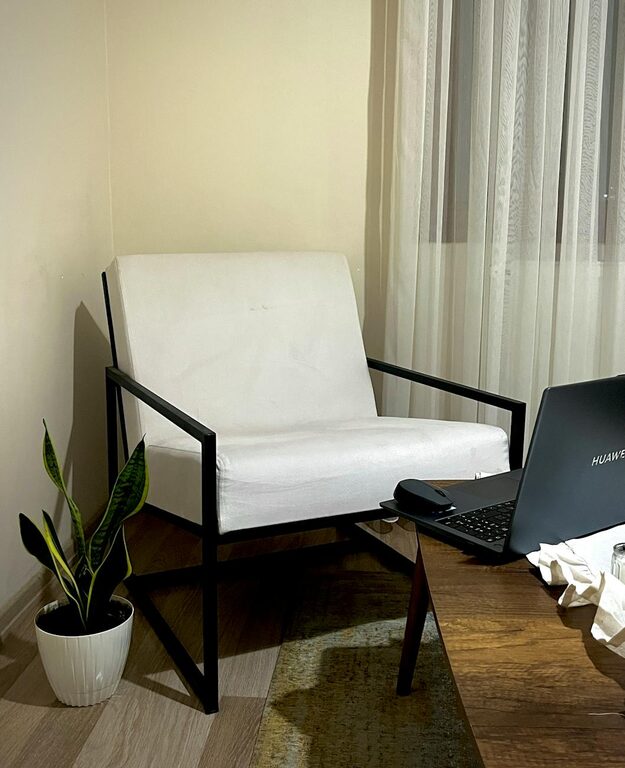
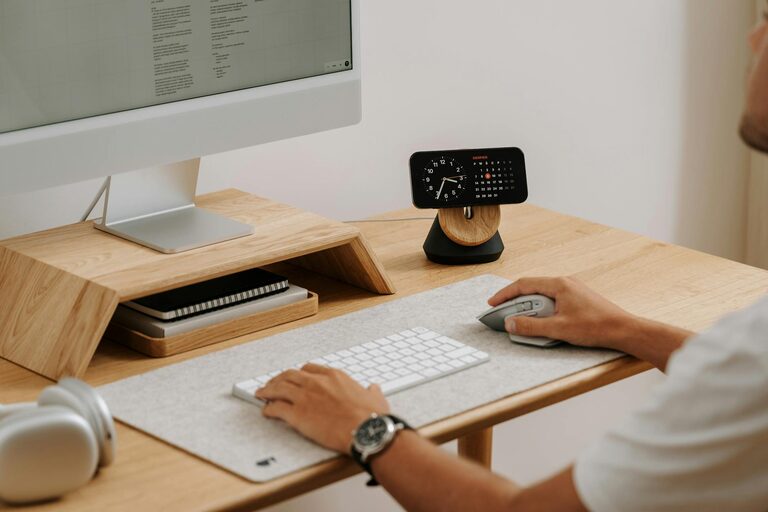
Creating a relaxing home workspace is essential for maintaining productivity, especially as more people work from home. A well-designed environment can help reduce stress, increase concentration, and improve overall work performance. Whether you have a dedicated room or just a small corner, these tips will guide you in transforming your home workspace into a peaceful, productive haven.
Why a Relaxing Workspace Matters
Your workspace affects how you feel and perform throughout the day. A cluttered or noisy environment can create distractions and stress, while a clean and calming space promotes creativity and focus. A relaxing home workspace can help set boundaries between work and personal life, supporting better mental health.
Choose the Right Location
Find a Quiet Spot
Select a location away from heavy foot traffic, loud appliances, and other distractions. A quiet area lets you concentrate better and reduces interruptions during important tasks or meetings.
Consider Natural Light
Natural light not only improves mood but also helps regulate your body’s internal clock. Position your desk near a window if possible, but avoid harsh glare on your screen by using curtains or blinds.
Invest in Comfortable Furniture
Ergonomic Chair
A supportive chair with good lumbar support is vital for comfort and preventing back pain. Adjust the height so your feet rest flat on the floor, and your knees are at a right angle.
Proper Desk Height
Choose a desk that allows you to work with your elbows bent at about 90 degrees. If needed, use a keyboard tray to maintain the correct posture.
Add Footrests and Cushions
Footrests can relieve pressure on your legs, and cushions provide extra comfort during long sitting periods.
Organize and Declutter
Keep Essentials Accessible
Only keep items you use daily within arm’s reach. This reduces distractions caused by clutter and helps you stay organized.
Use Storage Solutions
Use shelves, drawers, and boxes to store documents, stationery, and other supplies neatly.
Regularly Declutter
Set aside time weekly to clear unnecessary items, keeping your space tidy and stress-free.
Incorporate Calming Colors and Decor
Choose Soothing Colors
Soft tones like blues, greens, and neutrals create a serene atmosphere. Avoid overly bright or distracting colors.
Add Plants
Indoor plants improve air quality and infuse your workspace with natural charm. Easy-to-care-for plants like succulents or spider plants are good options.
Personalize Mindfully
Decorate with meaningful but minimal artwork or photos to make your space inviting without overwhelming it.
Minimize Noise and Distractions
Use Noise-Canceling Headphones
Headphones can help block distracting sounds and improve focus, especially if you cannot control noise levels in your environment.
Play Background Music or White Noise
Soft instrumental music or white noise can help some people concentrate better by masking other sounds.
Set Boundaries
Communicate your work schedule to family or roommates to minimize interruptions.
Manage Technology Wisely
Organize Cables
Use cable ties or clips to keep cords tidy and out of the way, reducing visual clutter.
Optimize Screen Setup
Place your monitor at eye level about an arm’s length away to avoid neck strain and eye fatigue.
Limit Digital Distractions
Use apps or browser extensions to block distracting websites during work hours.
Create a Routine and Break Space
Designate Break Areas
If space allows, have a separate spot for taking breaks away from your desk to help mentally separate work from rest.
Develop a Consistent Schedule
Starting and ending work at set times builds discipline and maintains balance between work and life.
Include Relaxation Techniques
Incorporate brief stretches, deep breathing, or mindfulness exercises to refresh your mind during breaks.
Final Thoughts
A relaxing home workspace is not just about aesthetics — it’s about creating an environment that supports your well-being and productivity. By choosing comfortable furniture, organizing efficiently, and incorporating calming elements, you can transform your home office into a place where work feels less like a chore and more like a fulfilling activity.
Remember, the best workspace is one that’s tailored to your needs and preferences. Take time to experiment and adjust as necessary to find the perfect balance for you.